

Blog
The Role of Underlayment in Your Flooring Projects

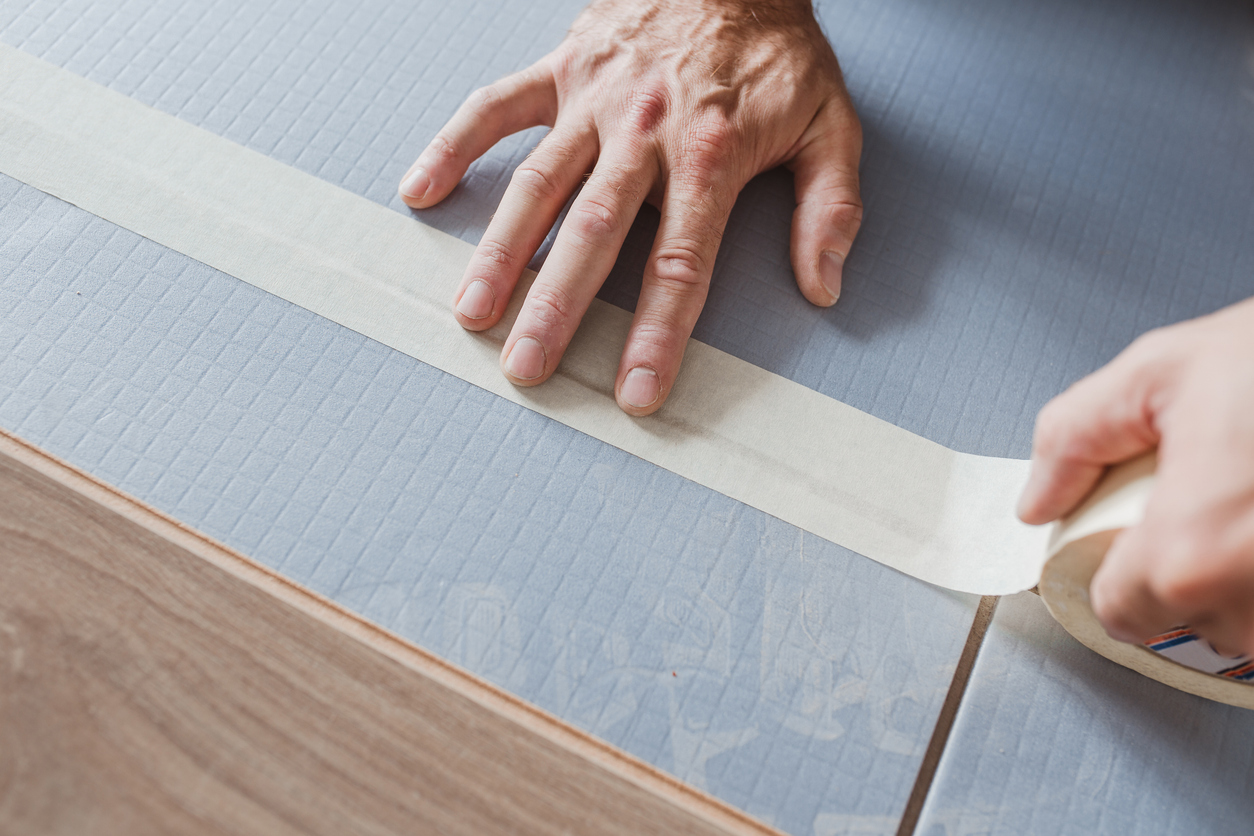
When planning a flooring project, much of the attention is given to the visible surface, but what lies beneath is just as important. Underlayment is material that is installed between the subfloor and the floor boards—if the flooring planks you’re using don’t already have a pre-attached underlayment—and it plays a critical role in overall performance. Although it’s sometimes overlooked, underlayment directly impacts durability, moisture protection (if taped) and sound control. Choosing the right material helps ensure that floors perform well over time and maintain their appearance. Read on to learn more about the role of flooring underlayment.
What is Flooring Underlayment and Why is it Important?
Flooring underlayment is the material placed between the subfloor and the floor boards to provide support and protection. It serves as a foundation that helps stabilize the flooring above while improving its overall performance. By creating a smooth and consistent surface, underlayment helps prevent issues like small gaps, holes, imperfections and premature wear. It’s compatible with a variety of flooring types, including luxury vinyl plank and laminate, making it a versatile material for various flooring projects.
While underlayment is sometimes overlooked, it’s not an optional add-on but a critical part of a successful installation. Without it, floors may be more susceptible to damage, shifting and reduced lifespan. Properly selected underlayment enhances the integrity of the flooring installation and helps ensure long-term results.
How Underlayment Improves Floor Durability
One of the primary benefits of underlayment is its ability to improve floor durability. It acts as a buffer that absorbs impact from daily foot traffic, reducing stress on the finished flooring. This added support helps minimize wear and tear, especially in high-traffic areas like busy households or light commercial environments.
Underlayment also helps prevent issues like shifting, warping, buckling or uneven surfaces. By providing a stable base, it allows flooring materials to perform as intended over time. As a result, floors last longer and require fewer repairs or replacements, making underlayment a valuable investment for any project.
Moisture Protection and Subfloor Preservation
Moisture is one of the most common causes of flooring damage, and underlayment plays an important role in protecting against it. Many underlayment products act as a moisture barrier, preventing moisture issues in the slab or subfloor. This protection is especially important in kitchens, bathrooms and basements where moisture exposure is high.
By blocking moisture, underlayment helps prevent mold, mildew and structural damage. It also protects the subfloor, preserving its condition and extending the life of the entire flooring system. Investing in proper moisture protection helps safeguard both the flooring materials and the underlying structure.
Sound Reduction and Comfort Benefits
Underlayment also contributes to a quieter and more comfortable indoor environment. It helps reduce noise from footsteps, movement and everyday activity, which is particularly beneficial in multi-level homes, apartments and commercial buildings. Along with noise control, underlayment provides cushioning underfoot. This added comfort can make a noticeable difference in how the floor feels, especially in areas where people spend long periods standing or walking. These benefits enhance both the functionality and experience of the flooring.
Choosing the Right Underlayment for Your Project
Selecting the right underlayment depends on several factors. The type of flooring being installed, the condition of the subfloor and the level of moisture exposure all play a role in determining the best option. Sound requirements may also be a consideration, particularly in shared or multi-level spaces. Choosing high-quality materials is essential to achieving long-term performance. Using the wrong type of underlayment or skipping it entirely can lead to issues like reduced durability or increased maintenance costs. To ensure the best performance, an underlayment with a minimum compression of 110 kg/m³ for laminate flooring and 180 kg/m³ for vinyl flooring is recommended. Taking the time to select the right solution ensures that the flooring system performs as expected and delivers lasting value.
How Silent Blue Flooring Supports Your Project
Silent Blue Flooring offers underlayment designed to support the performance, durability and long-term reliability of our flooring products. Our underlayment is engineered to provide moisture resistance, sound absorption and enhanced comfort underfoot for a wide range of flooring applications. With a focus on reliability and performance, our flooring solutions help homebuilders, contractors and flooring installers deliver high-performing, long-lasting results. Shop our underlayment online or contact the team today to learn how we can support your next flooring project.